
Working with asbestos is not automatically licensed work, but that does not mean it is low risk or can be approached without appropriate training.
This non-licensed asbestos removal training course is designed for workers who may intentionally carry out work on certain asbestos-containing materials (ACMs) where the activity falls within the scope of non-licensed work. The training develops the practical knowledge needed to plan the task, control exposure and work in accordance with the Control of Asbestos Regulations 2012.
One of the most important distinctions for workers is understanding the difference between asbestos awareness and training for people who actually work with ACMs. Awareness training alone is not sufficient where someone will intentionally disturb asbestos.
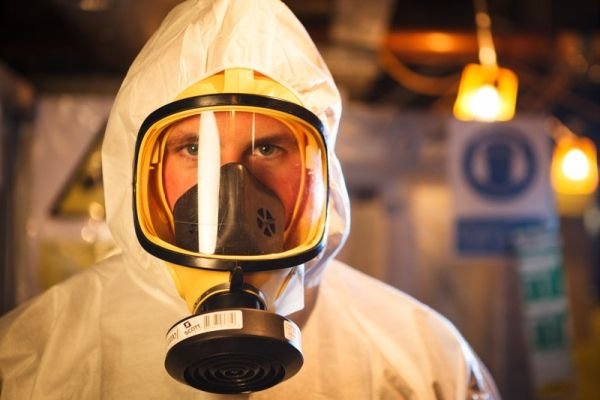
Our UKATA non-licensed asbestos removal training covers the controls required before, during and after non-licensed asbestos work. Delegates learn how risk assessments and plans of work influence the job, how exposure can be reduced and how suitable working methods, PPE and RPE should be used.
A key part of the course is also understanding the limits of non-licensed work. Workers need to recognise when the condition, type or proposed disturbance of an ACM means the task should not continue as non-licensed work.
The non-licensed asbestos removal course is intended for tradespeople and operatives whose work may require them to intentionally disturb or remove certain ACMs.
A situation trainers regularly encounter is a worker who has completed asbestos awareness training and assumes this covers them for minor asbestos removal. It does not. Once the job involves deliberate work on an ACM, the training requirements change.
This course may be relevant to:
One of the most common mistakes is treating the term “non-licensed” as meaning that normal construction methods can be used.
The classification relates to the nature of the asbestos work and regulatory requirements, not an absence of risk. Some activities may also fall under notifiable non-licensed work (NNLW) depending on the material, its condition and the nature of the task.
Workers therefore need to understand not only how to perform appropriate non-licensed work, but also when the planned activity falls outside their training or requires different controls.

Problem: A property maintenance contractor had operatives carrying out repairs across older commercial premises. The team occasionally encountered asbestos cement products and other known ACMs, but supervisors found that workers were unclear about which tasks could proceed.
Action: Operatives completed UKATA non-licensed asbestos removal training, focusing on task assessment, controlled working methods, PPE/RPE, decontamination and the distinction between licensed, non-licensed and notifiable work.
Result: The company introduced clearer pre-work checks and escalation procedures. Supervisors reported fewer instances of operatives beginning work before the asbestos information and required controls had been reviewed.
Get in touch to discuss your requirements.

© QUBIX All rights reserved